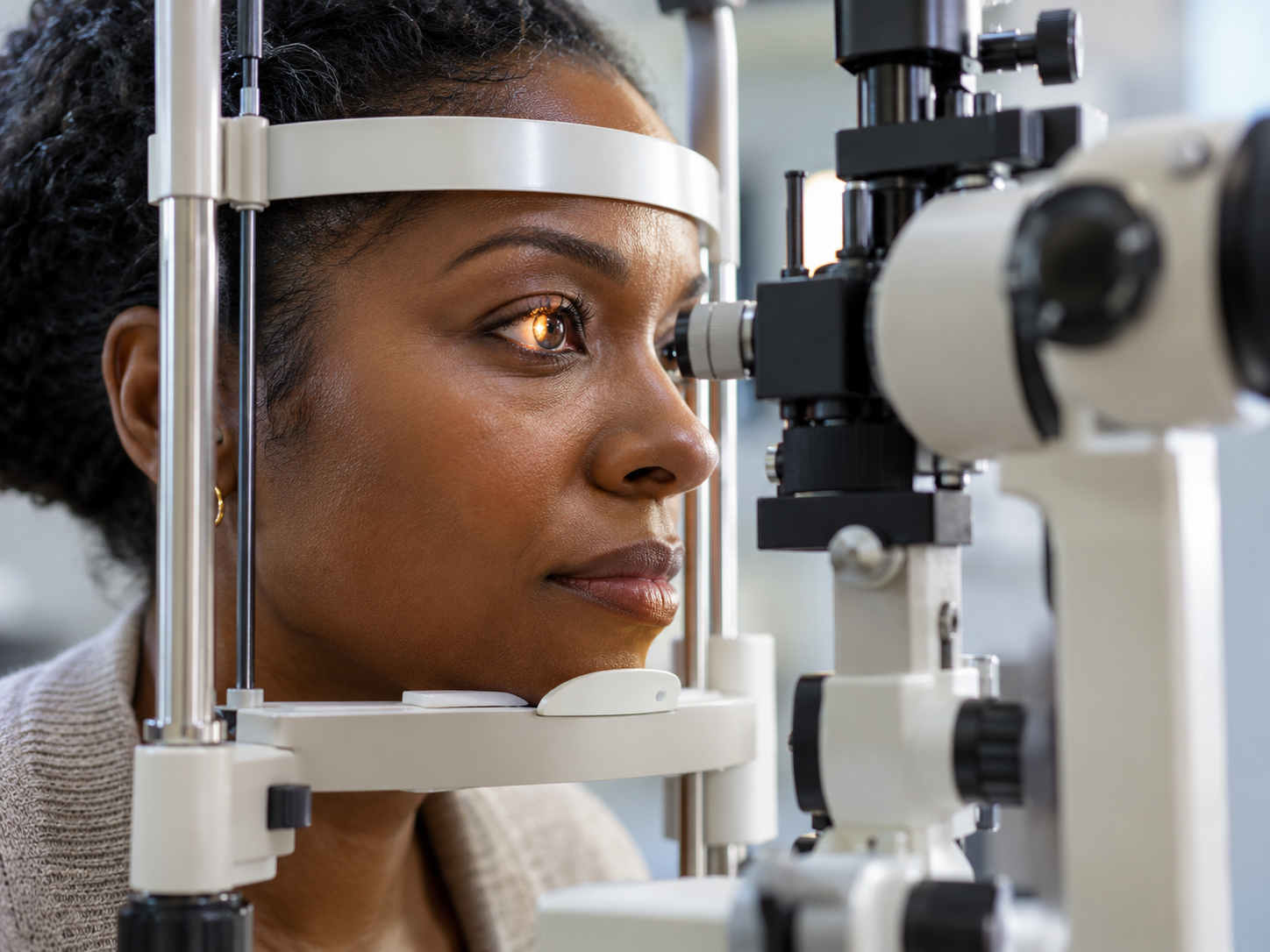
Glaucoma treatment
Protecting your vision through early detection and ongoing care.
Glaucoma is a group of eye conditions that damage the optic nerve, which carries visual information from the eye to the brain. It is a leading cause of irreversible vision loss and often develops gradually, without noticeable symptoms in its early stages.
Although glaucoma-related vision loss cannot be reversed, early diagnosis and appropriate treatment can significantly reduce the risk of further damage.
Treatment generally focuses on lowering the pressure inside the eye to protect the optic nerve. Depending on the type and severity of glaucoma, this may involve prescription eye drops, laser treatment, minimally invasive glaucoma surgery (MIGS) or more advanced surgical procedures.
Riverina Eye Care Centre provides comprehensive glaucoma assessment, monitoring and treatment, with care tailored to each patient's condition.
Our ophthalmologists use specialist diagnostic testing to monitor eye pressure, optic nerve health and changes in peripheral vision, helping patients manage glaucoma and preserve their remaining sight.
Medical treatment for glaucoma
Managing eye pressure to help preserve your vision.
Medical treatment is often the first approach to managing glaucoma, particularly when the condition is detected in its earlier stages.
Most glaucoma treatments aim to reduce intraocular pressure, which is the pressure inside the eye. Lowering this pressure can help slow or prevent further damage to the optic nerve.
Prescription eye drops are commonly used to either reduce the amount of fluid produced inside the eye or improve its natural drainage. Some patients may require more than one medication to achieve appropriate pressure control.
Laser procedures, such as selective laser trabeculoplasty (SLT), may also be recommended as an initial treatment or alongside medication.
Because glaucoma is usually a lifelong condition, regular monitoring is essential, even when vision appears unchanged.
At Riverina Eye Care Centre, we develop individualised glaucoma management plans and provide ongoing assessments to monitor treatment effectiveness, adjust medications where necessary and support the long-term health of your eyes.

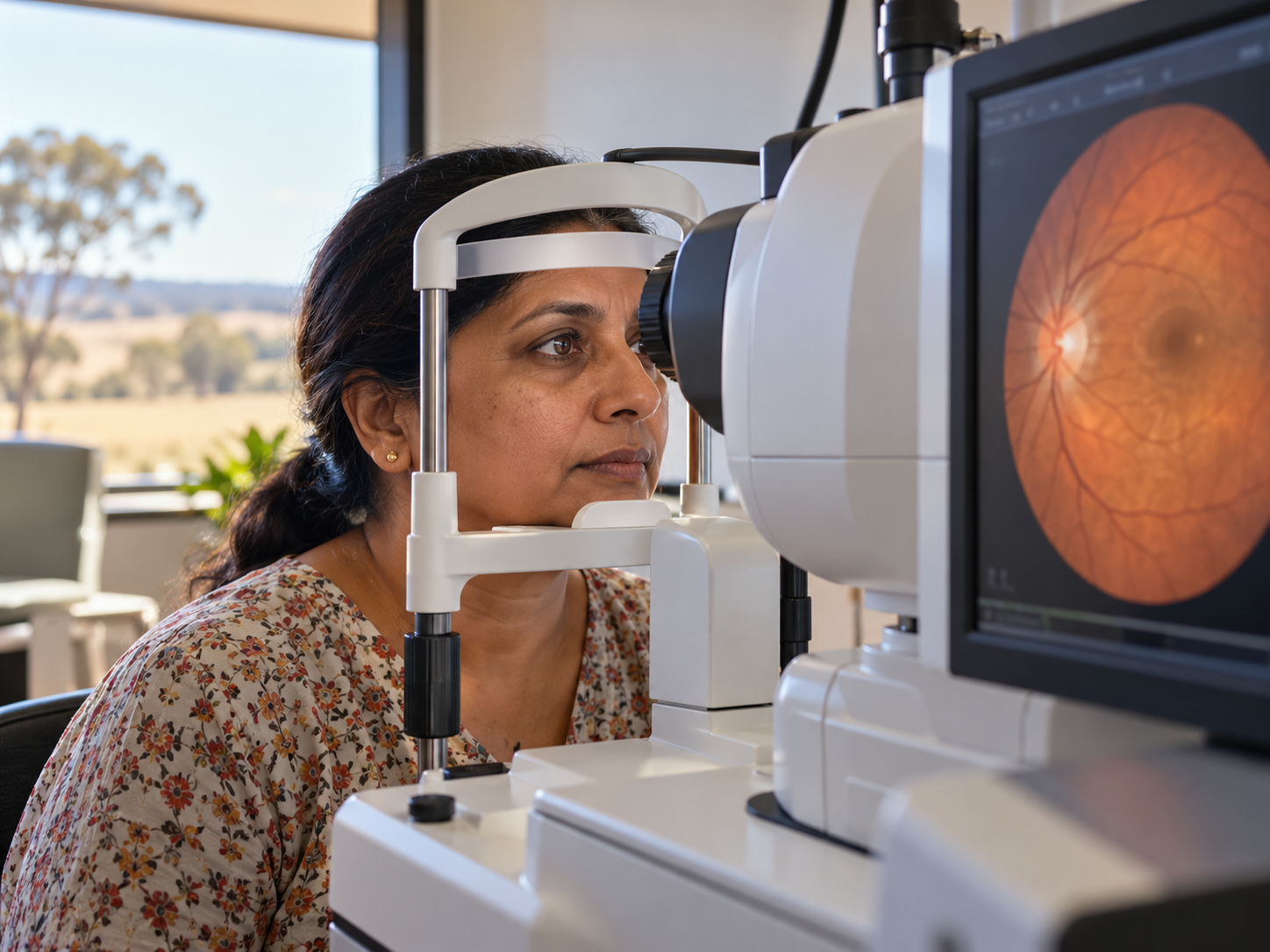
Minimally invasive glaucoma surgery (MIGS)
Advanced treatment options to help manage glaucoma with less invasive surgery.
Minimally invasive glaucoma surgery (MIGS) refers to a range of procedures designed to lower pressure inside the eye using smaller incisions and techniques that generally involve less disruption to the eye's tissues than traditional glaucoma surgery.
Two MIGS devices are the iStent and Hydrus Microstent. These tiny implants are designed to improve the drainage of fluid from the eye, helping reduce intraocular pressure and the risk of further glaucoma-related damage.
MIGS procedures may be performed alongside cataract surgery in suitable patients, particularly those with mild to moderate open-angle glaucoma.
For some people, MIGS can help reduce their dependence on glaucoma medications, although ongoing treatment and monitoring may still be required.
At Riverina Eye Care Centre, our ophthalmologists assess each patient's glaucoma severity, eye health and treatment history before recommending surgery.
We take the time to explain the potential benefits, limitations and risks of each procedure to help patients understand their treatment options.
PreserFlo and trabeculectomy
Specialist surgical options for managing more advanced glaucoma.
When glaucoma cannot be adequately controlled with medications, laser treatment or less invasive procedures, more advanced surgery may be recommended to lower eye pressure and protect the optic nerve.
Trabeculectomy is an established glaucoma procedure that creates a new drainage pathway for fluid to leave the eye. This helps reduce intraocular pressure and can be particularly beneficial for patients requiring a substantial reduction in eye pressure.
The PreserFlo MicroShunt is another surgical option. It uses a small implanted device to create a controlled pathway for fluid drainage, helping lower pressure within the eye.
Both procedures aim to slow or prevent further glaucoma-related vision loss. They require careful follow-up and monitoring, particularly during the initial healing period.
At Riverina Eye Care Centre, our ophthalmologists provide individualised assessment and surgical planning for patients with glaucoma.
The choice of procedure depends on factors including the severity of glaucoma, previous treatments, eye health and the pressure reduction required.